Jun 04 — Aug 14, 2026
Featuring work by: Bethann Parker
Opening reception, June 4, 6–8pm
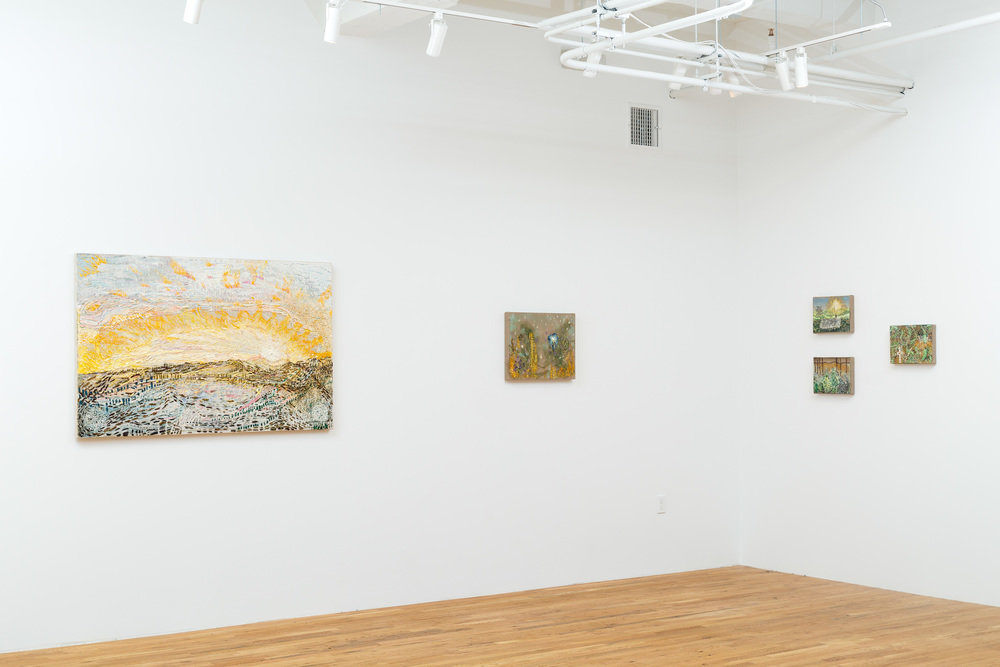
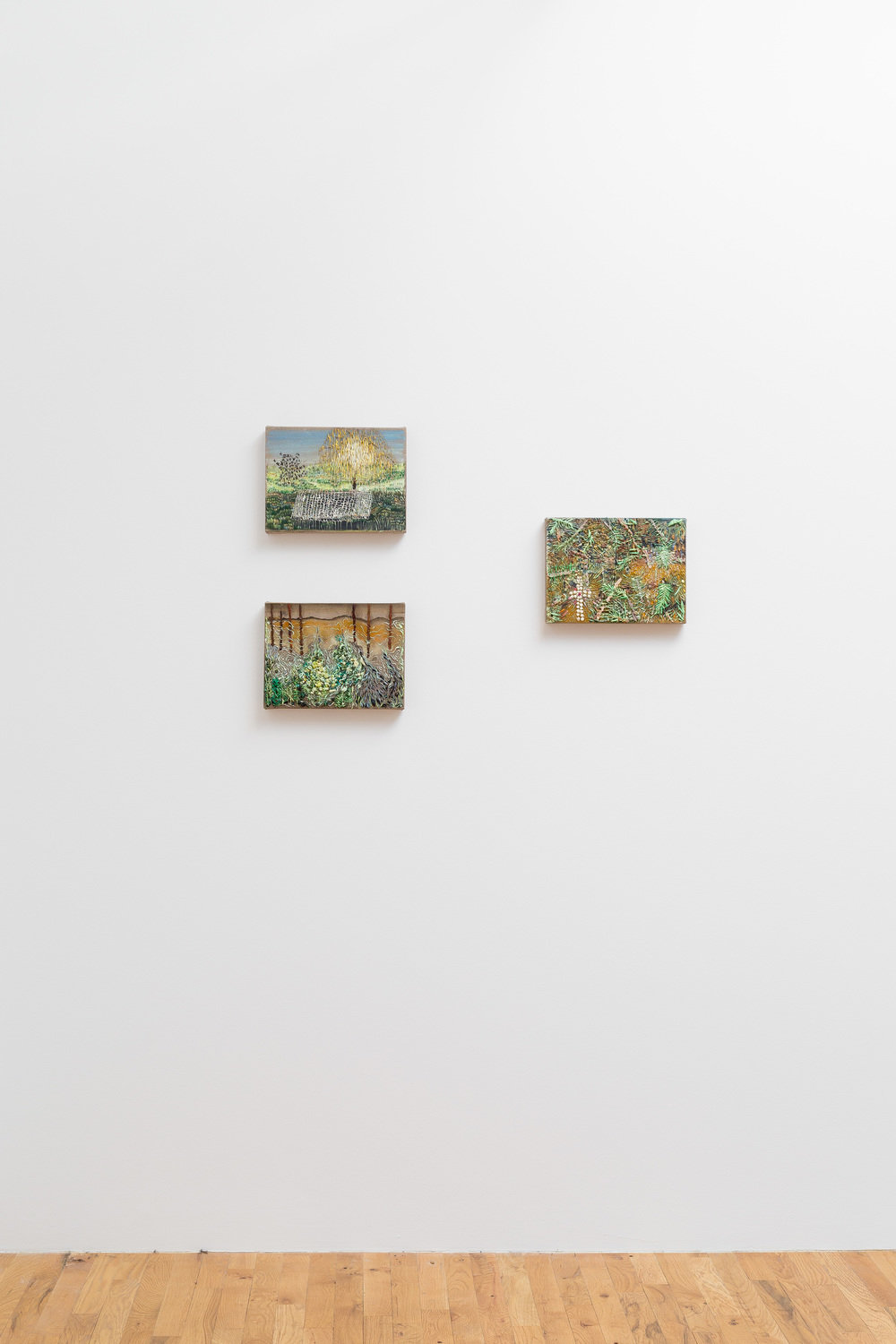
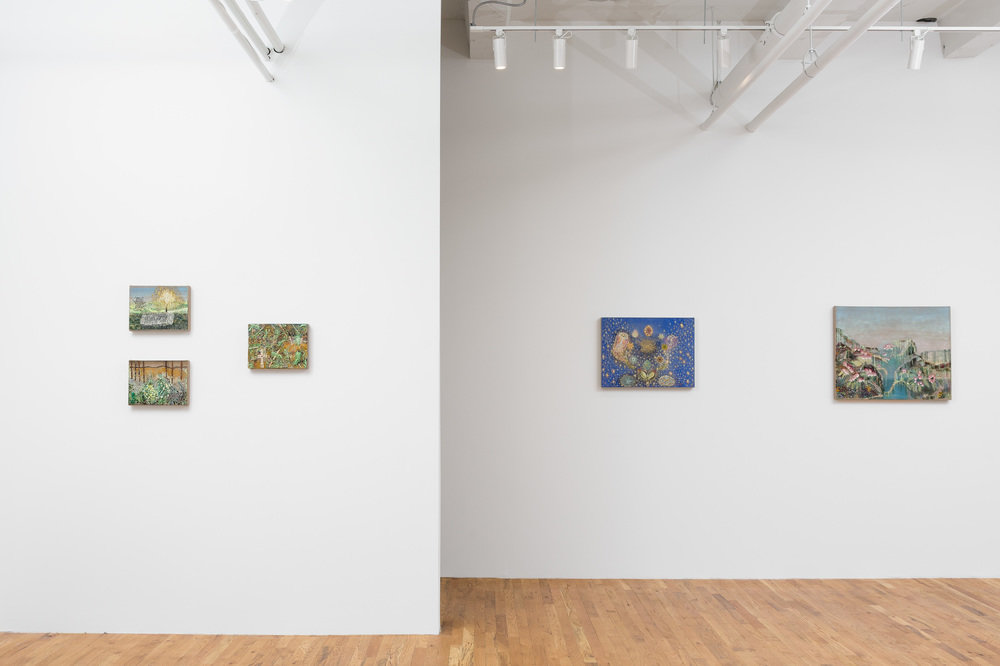
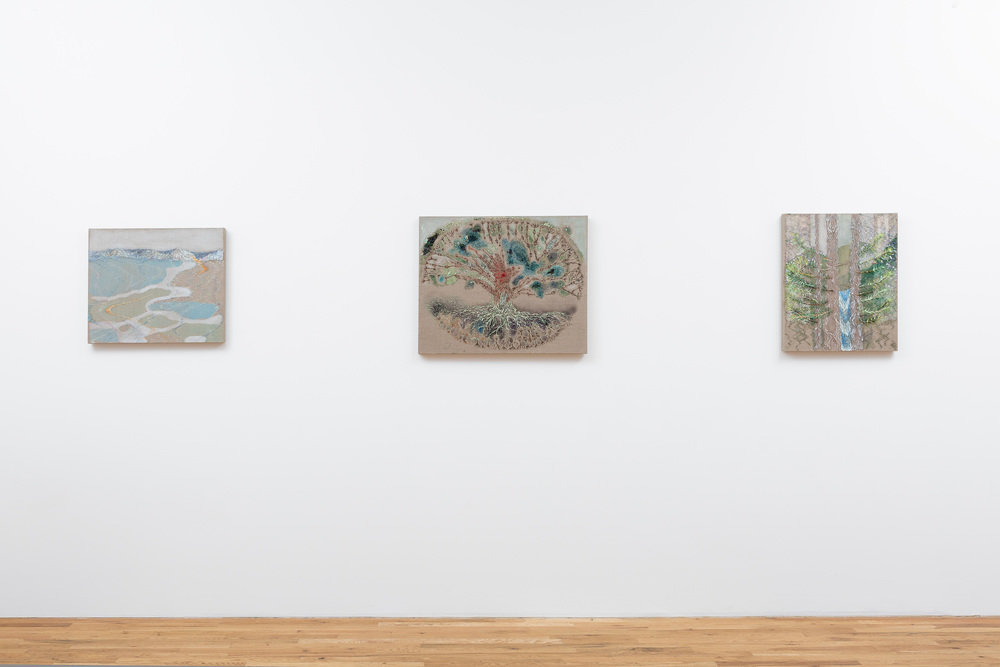
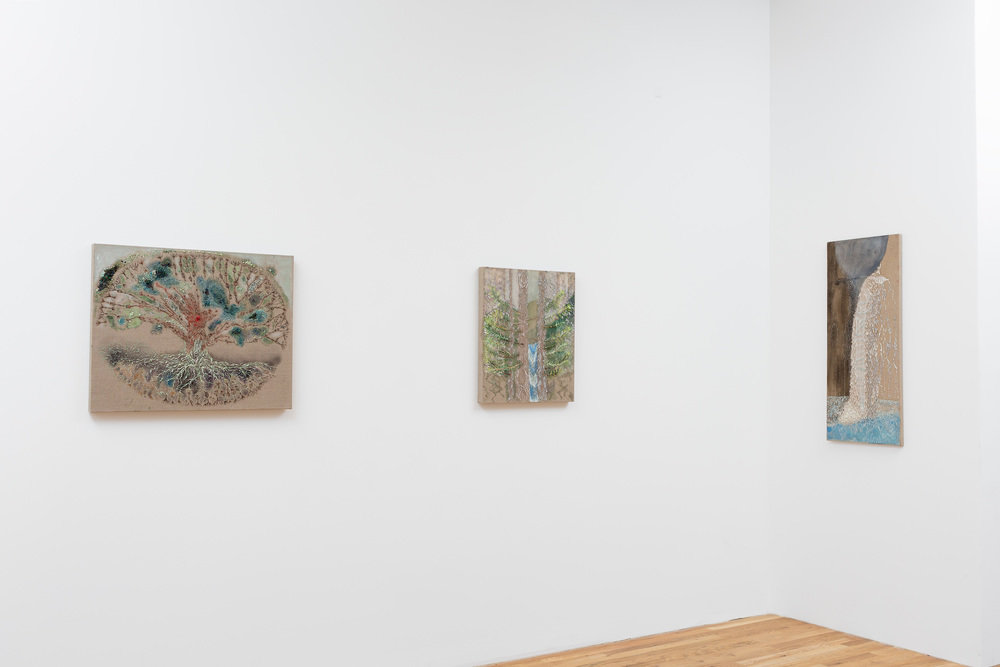
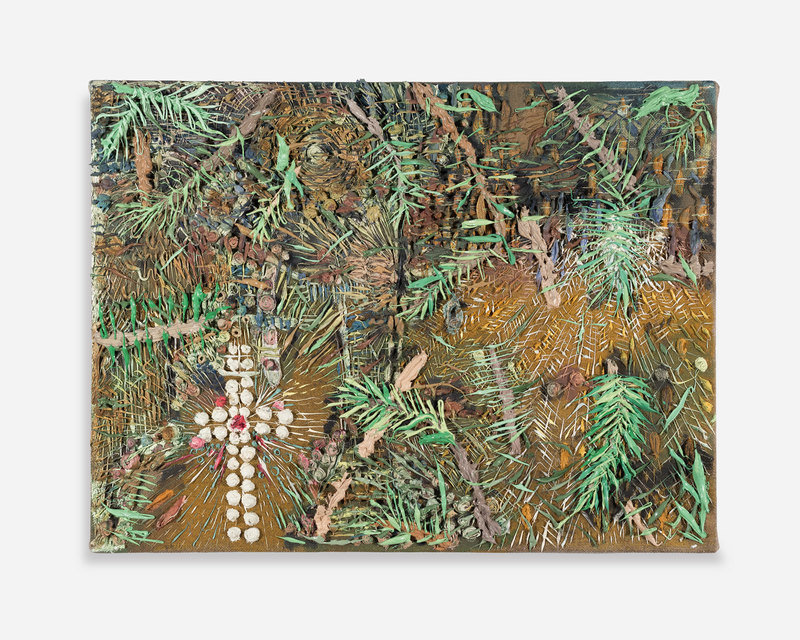
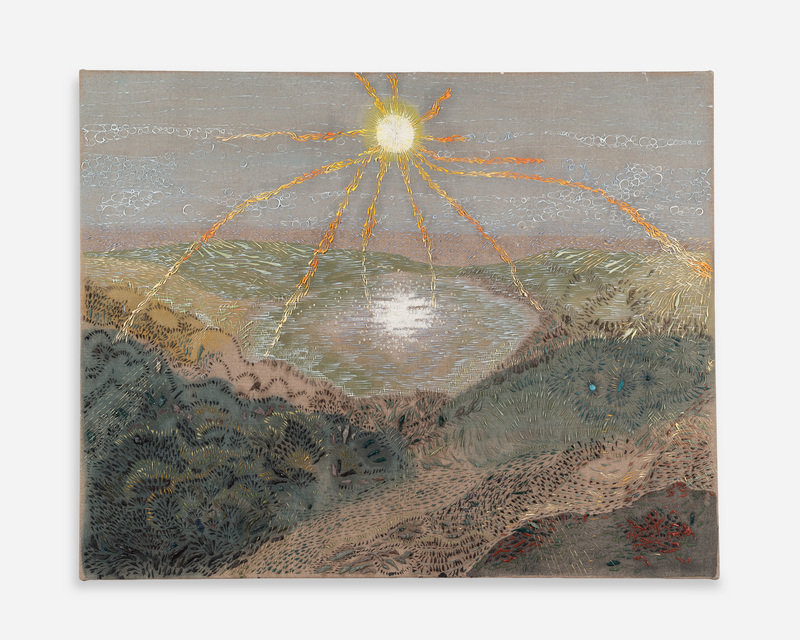
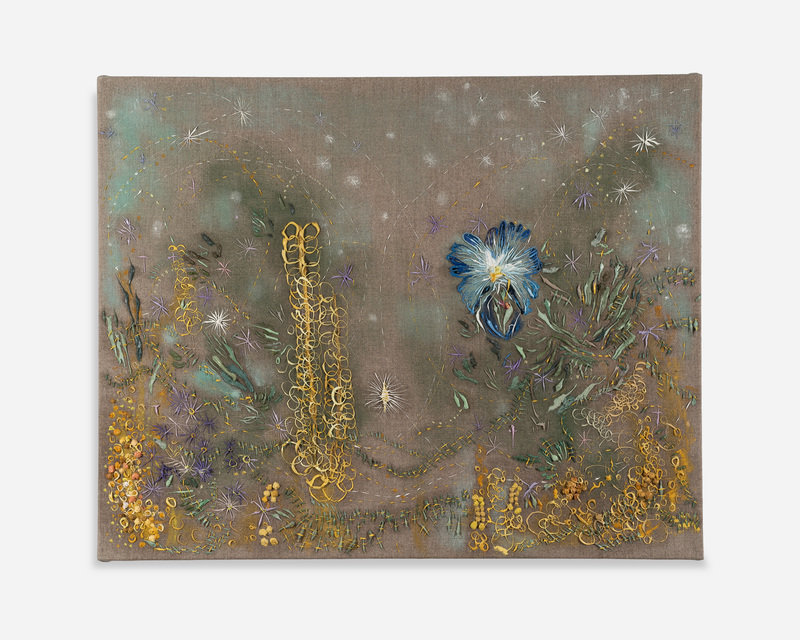
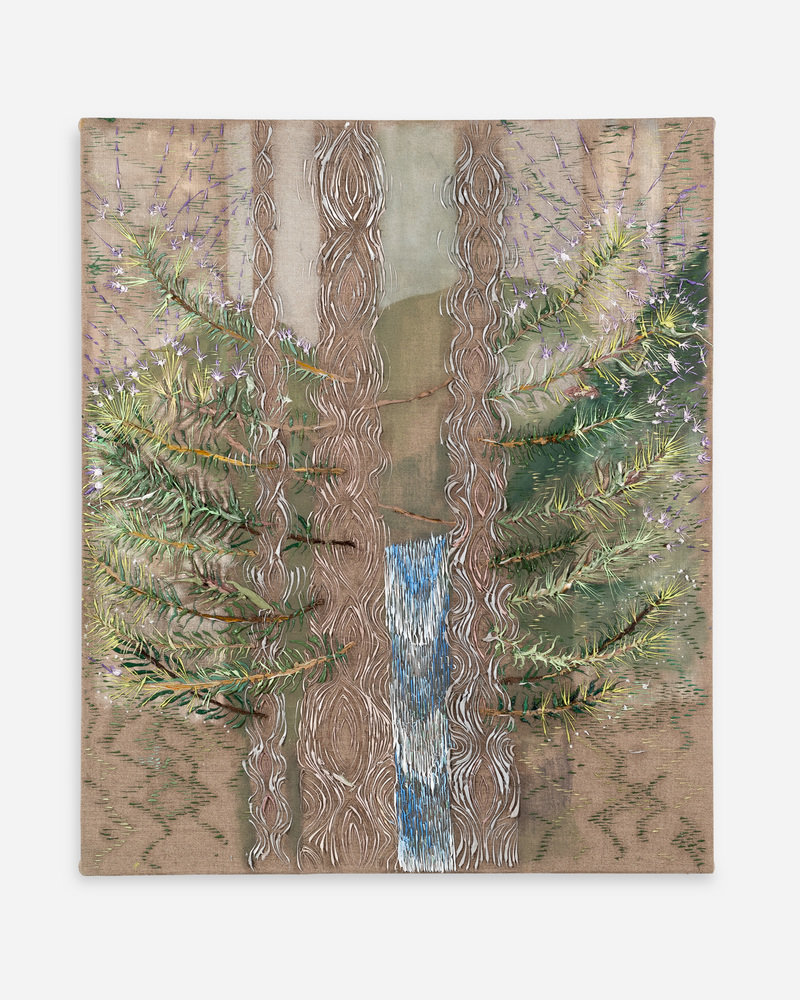
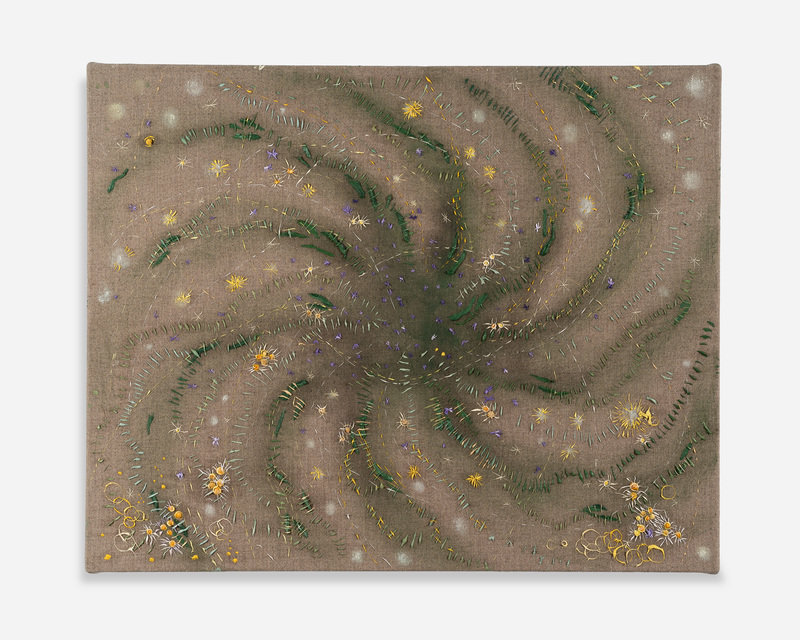
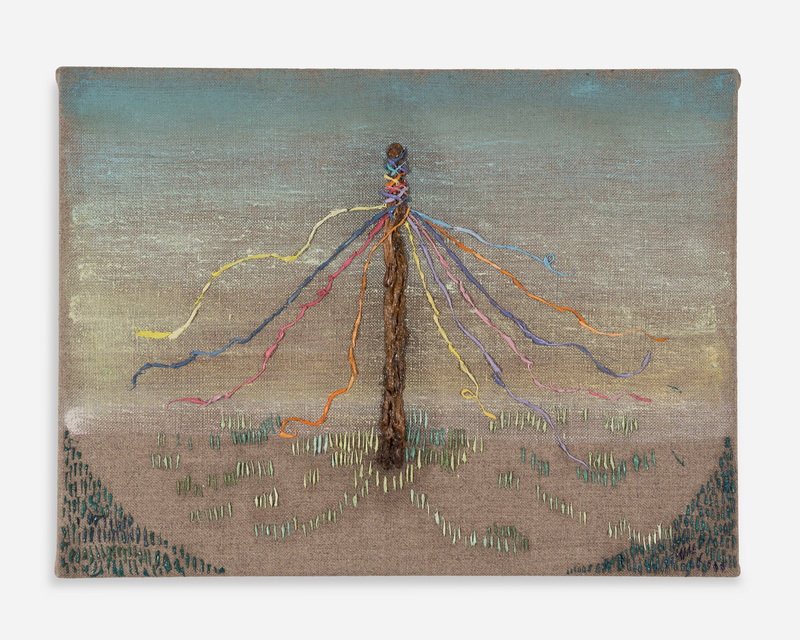
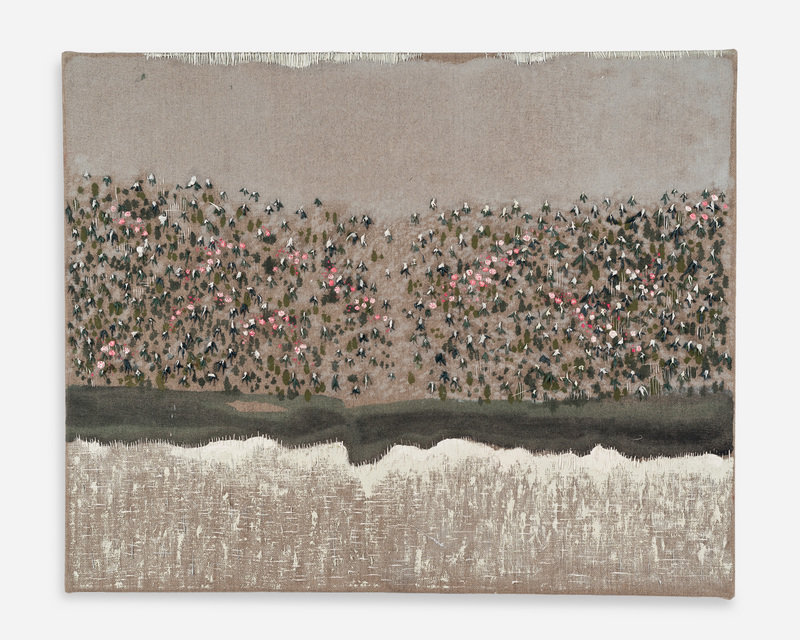
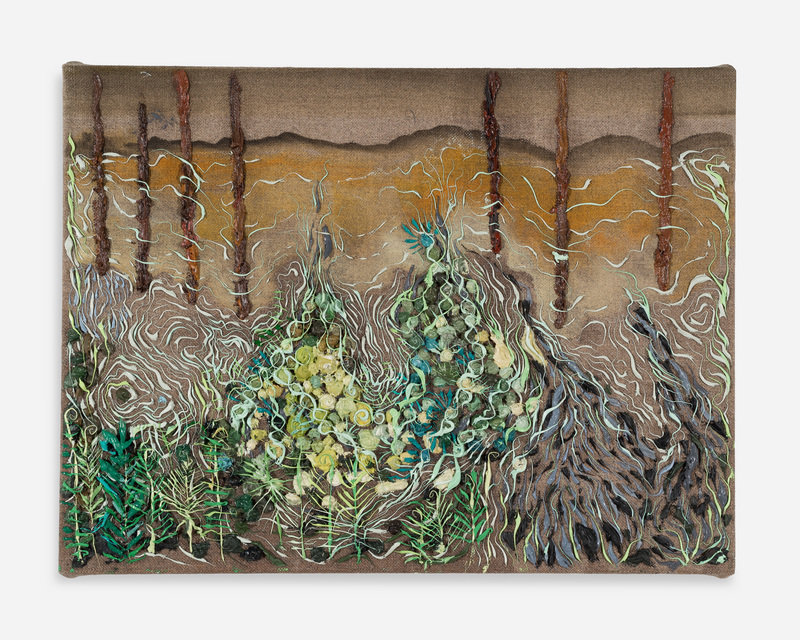
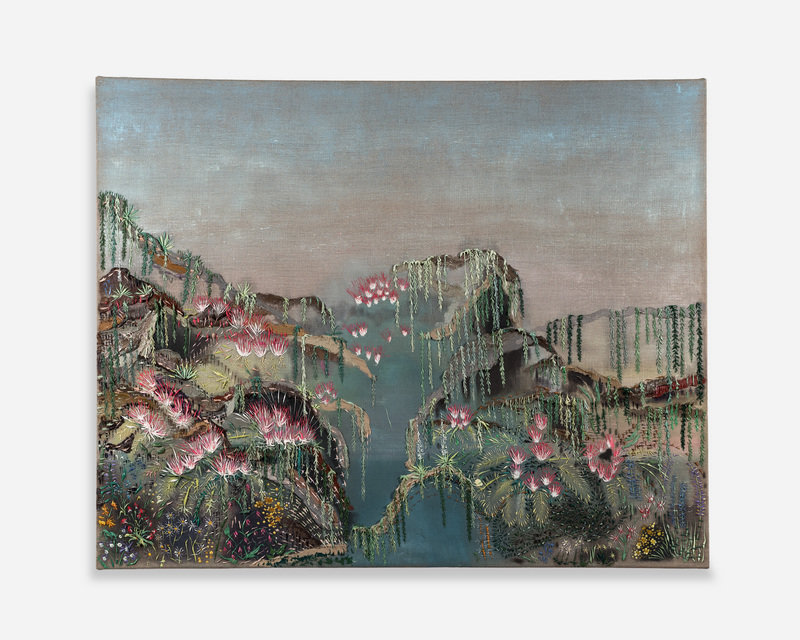
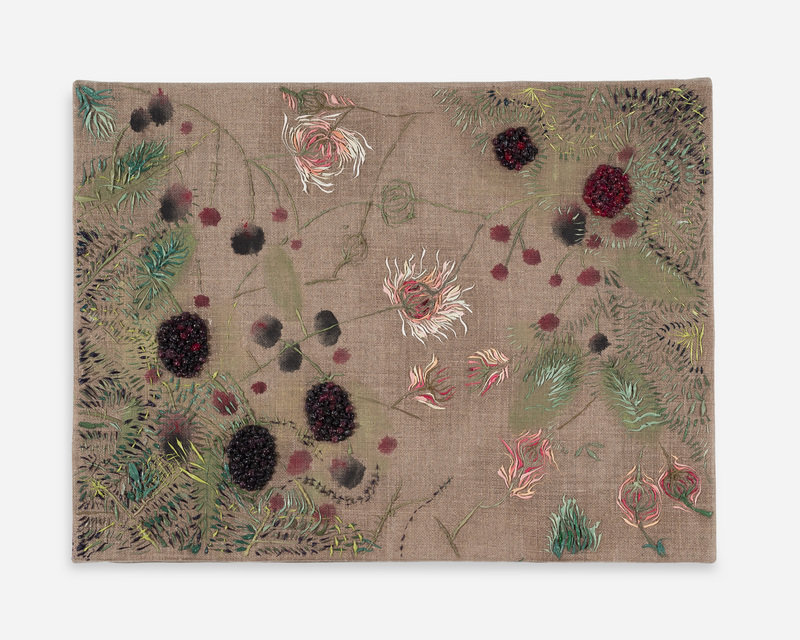
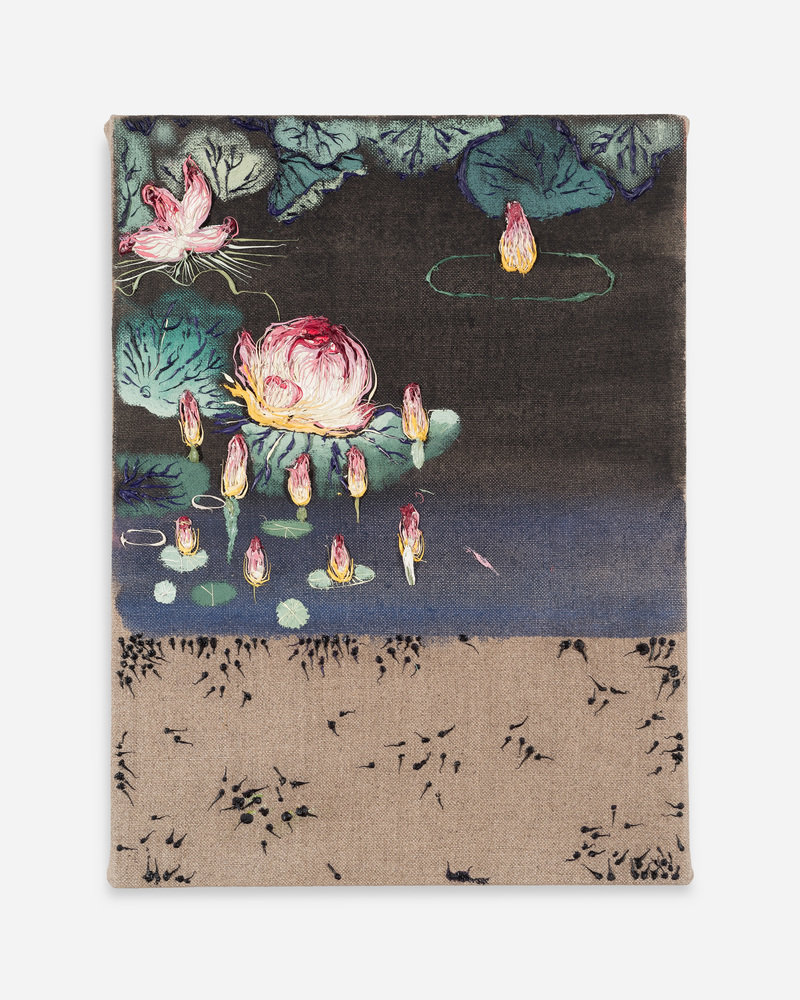
Viriditas, both the title of this exhibition and a painting featured herein, is based on the concept of “greening power” from the Medieval Catholic mystic polymath abbess, Hildegard of Bingen. For Hildegard, greening power is the healing energy that connects all living things, representing a divine life force, vitality, and lushness found in nature. Painted on Palm Sunday, Bethann Parker’s Viriditas is a densely layered picture using her signature thready, almost sculptural accumulation of oil paint to represent the bounty of layered foliage. Radiant energy emanates from several areas of the painting, in particular, from a crucifix composed of white globules resembling rosary beads. This work encapsulates much about Parker’s painting practice and beliefs and builds on Hildegard’s framework: the sublime as a gateway to new ways of understanding our world and ourselves, how nature can offer profound mystical experiences, and how there is generous room even within traditional religions like Catholicism for holistic conceptions of the interconnectedness of humans and nature.
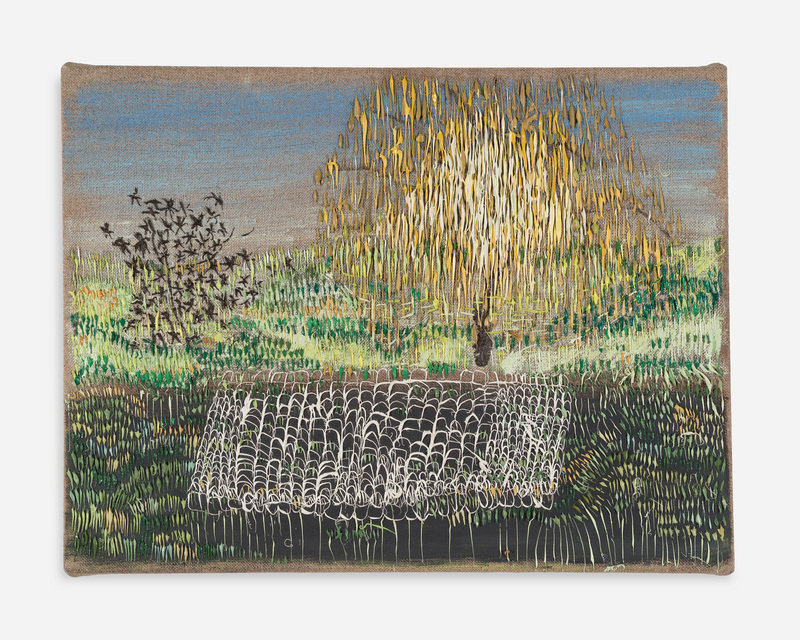
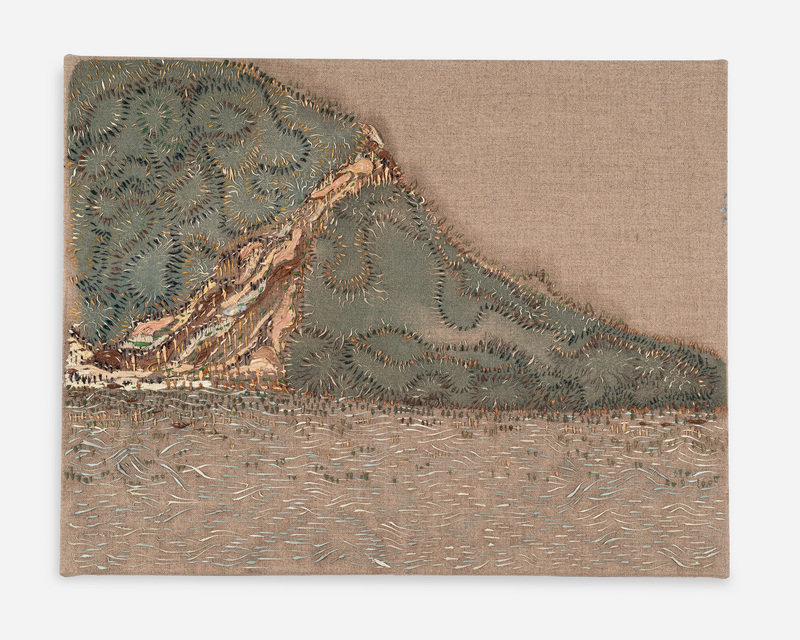
Parker’s paintings embody a life lived in nature and the resulting spiritual connection from what she calls “a position of awe.” Parker’s home in northeastern Pennsylvania along the Appalachian Mountain range is surrounded by stunning vistas and a wind gap view where a mountain notch was carved by a river now dry. A two minute walk from her home, trilobite fossils embedded in shale lie about her feet. Not one to simply revel in the glories of her environment, Parker and her family are active participants, living off the land as much as possible through sustainable permaculture, growing their own food, composting, beekeeping, and hunting.
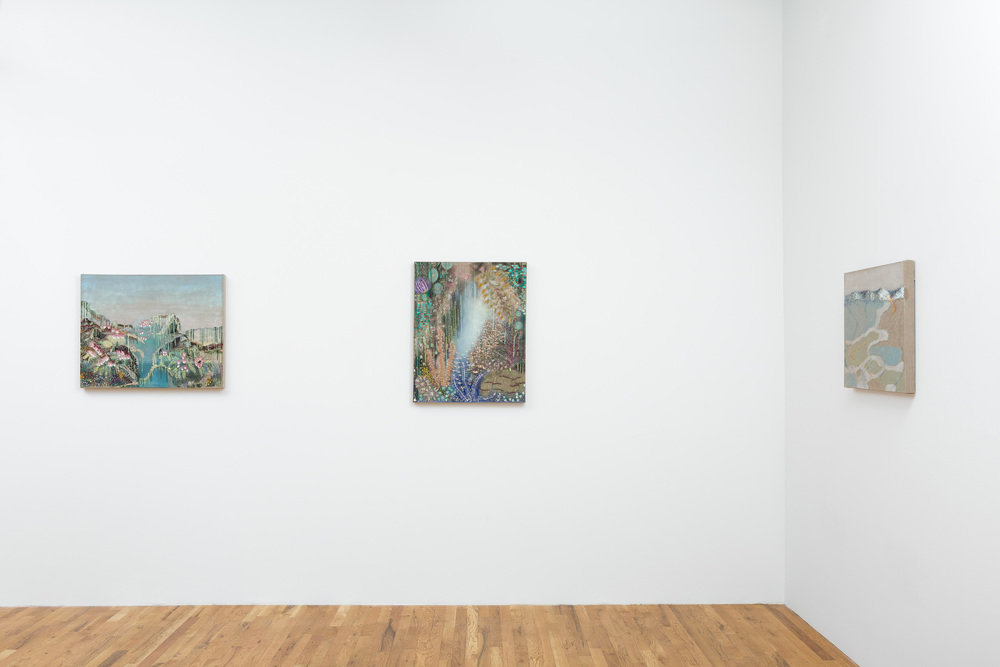
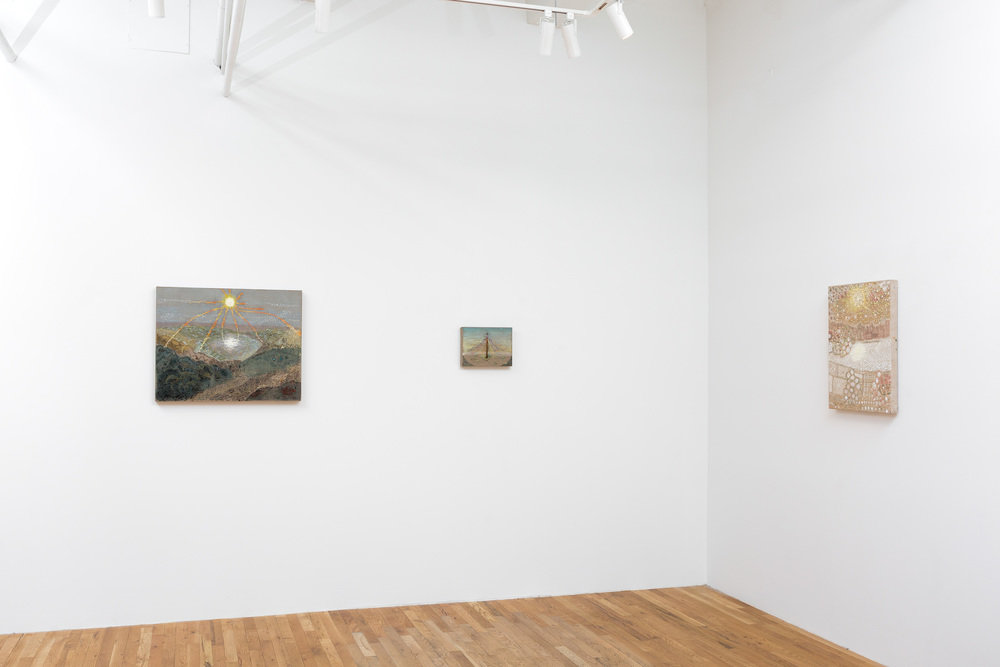
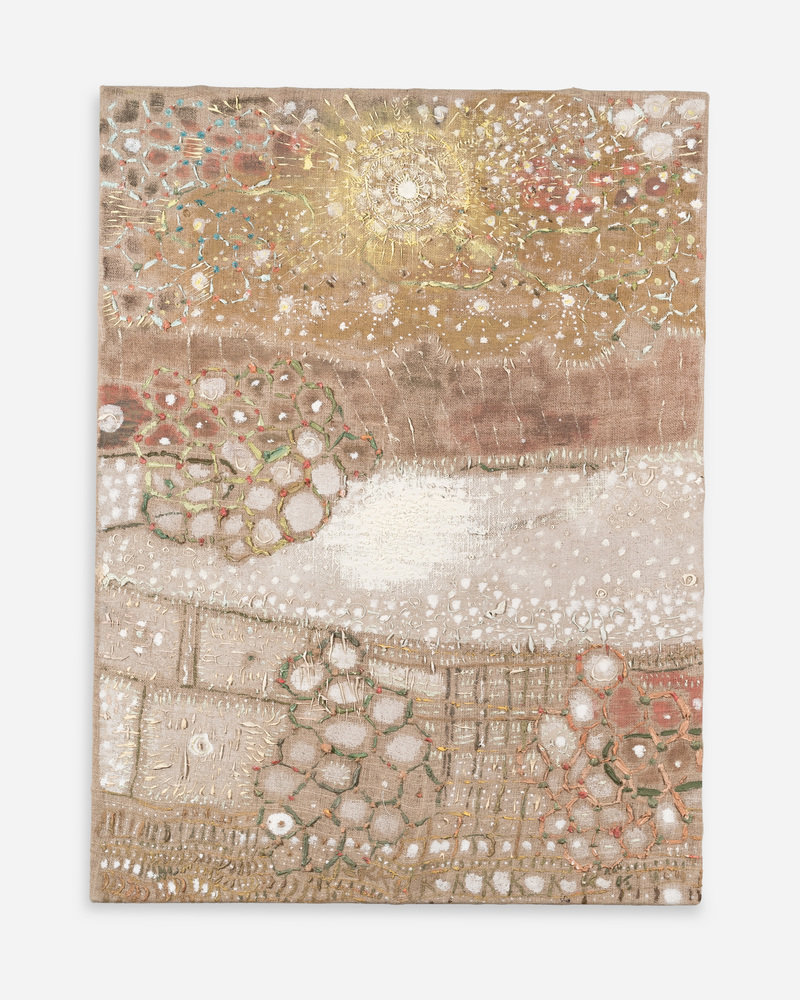
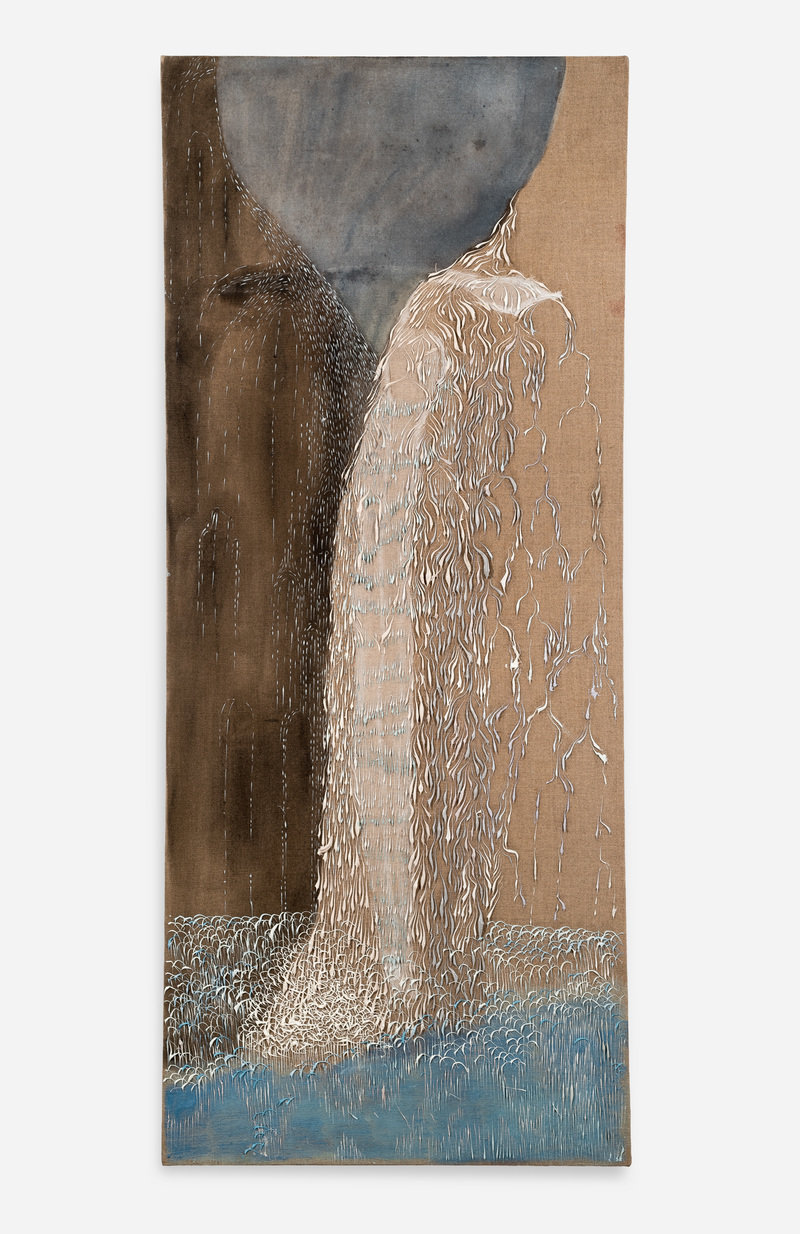
Parker’s technique of using oil paint to resemble embroidery stitching resonates with a family history of crewel work, doily lacemaking, quilting, and knitting. Tiny, circular painting gestures dotted throughout Parker’s paintings resemble beadwork. Parker took up knitting in her mid-twenties after the death of her father as a way to process grief. The notion of creative practice as a healing strategy is something that Parker continues to implement in her current work.
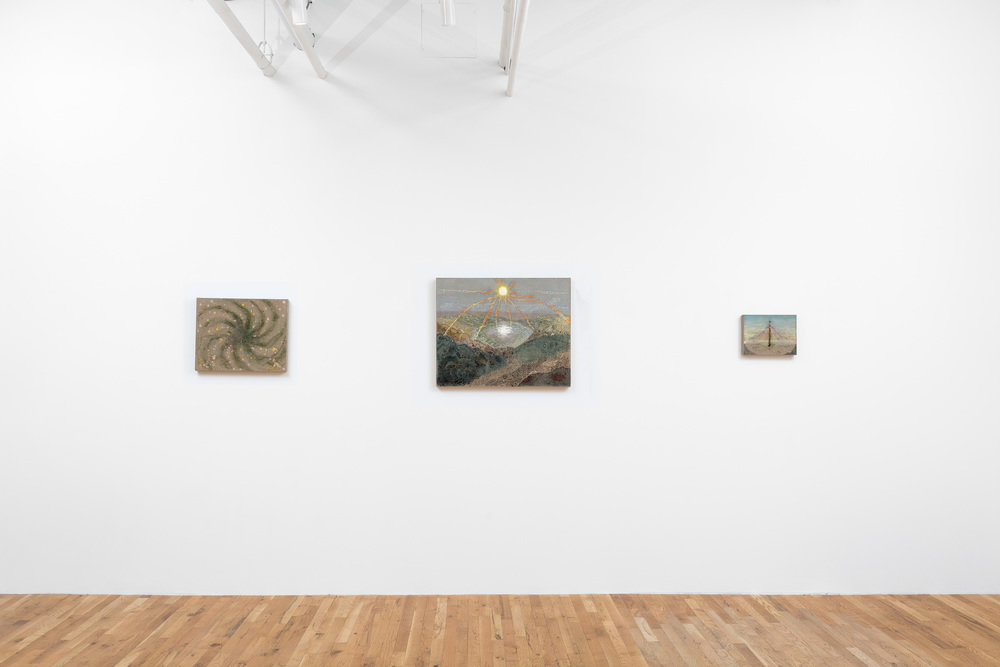
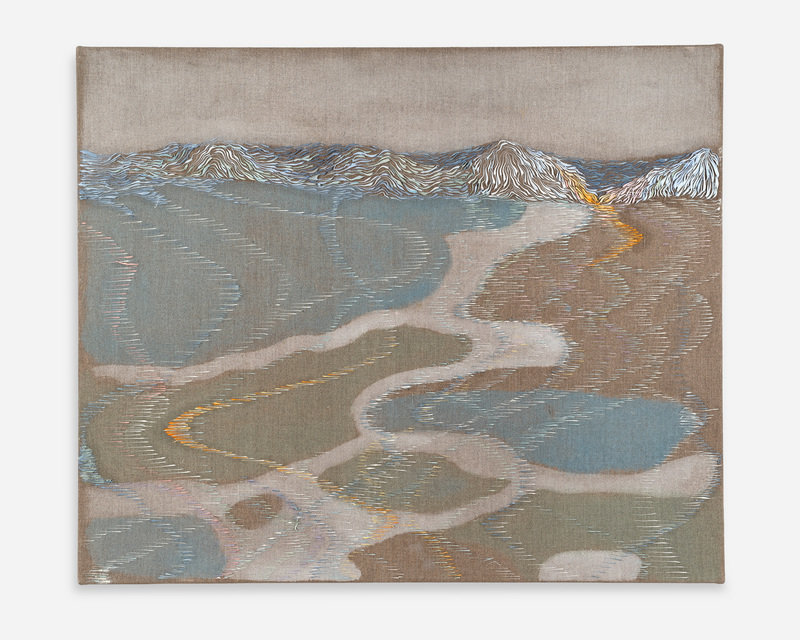
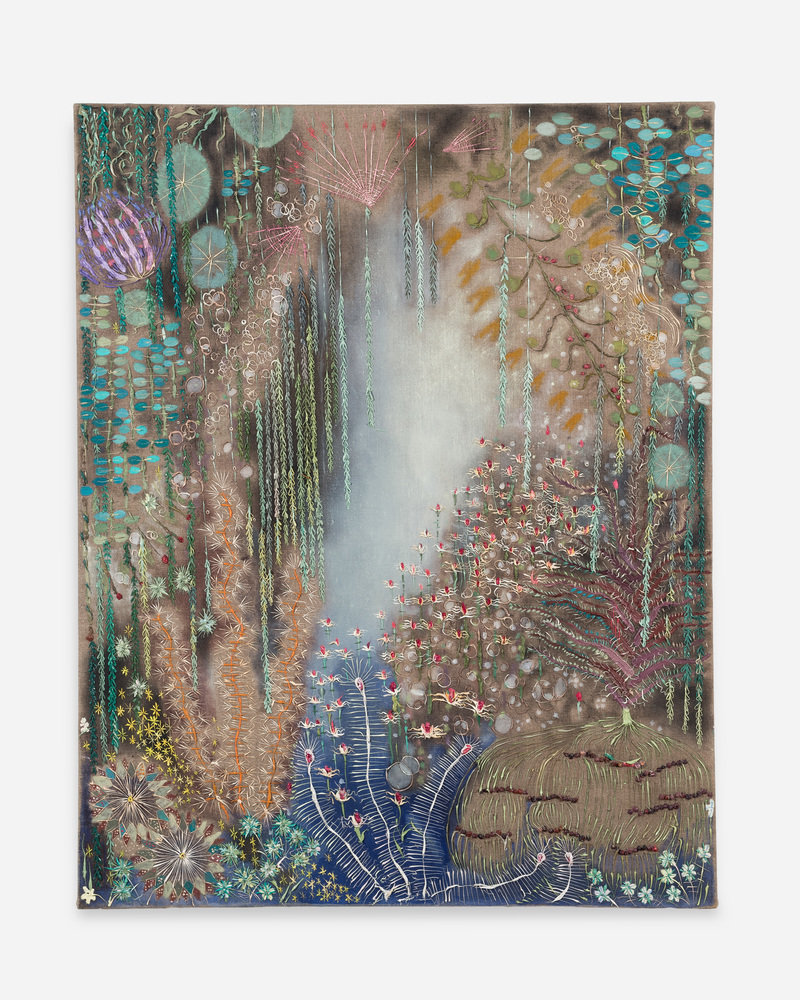
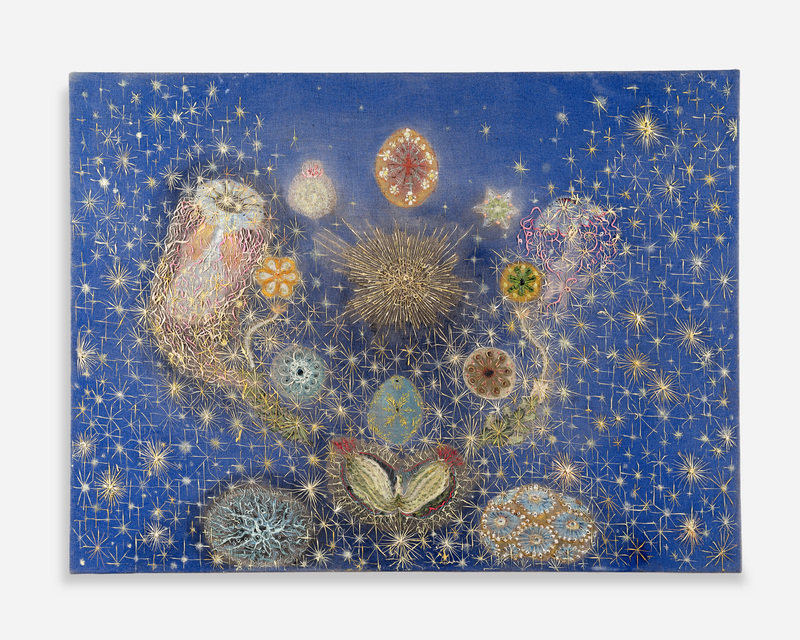
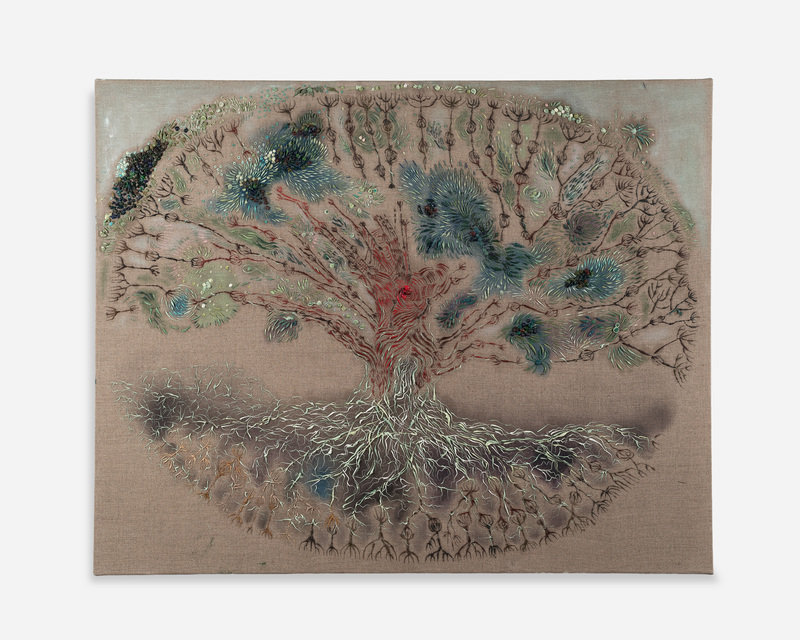
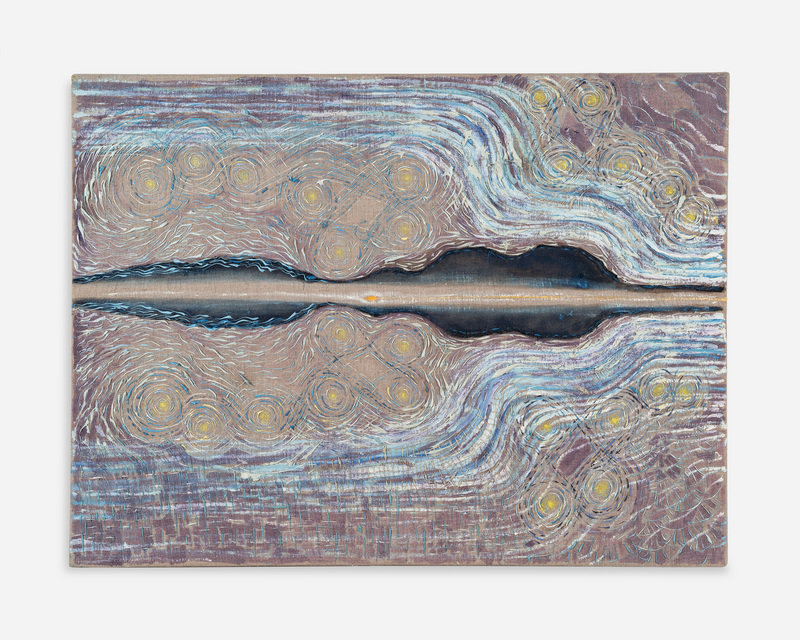
Several of the paintings on view reveal Parker confronting illness and her attempts to “paint herself better.” Hatches of rhythmic waves in works like Open Arm Electric Trinity and Wave Chart refer to Parker’s recent bout with Lyme carditis in which the disease enters heart tissue and affects the proper beating of the heart. The wavy lines represent Parker willing her arrhythmia back to normalcy. The red central element of the tree of life in Heart Wood is another mediation on the power of autosuggestion as a method for healing a heart. The tree of life, with its roots grounded in soil and limbs reaching toward the sky, is a symbol of equilibrium and a means for Parker to visualize a healthy balance.
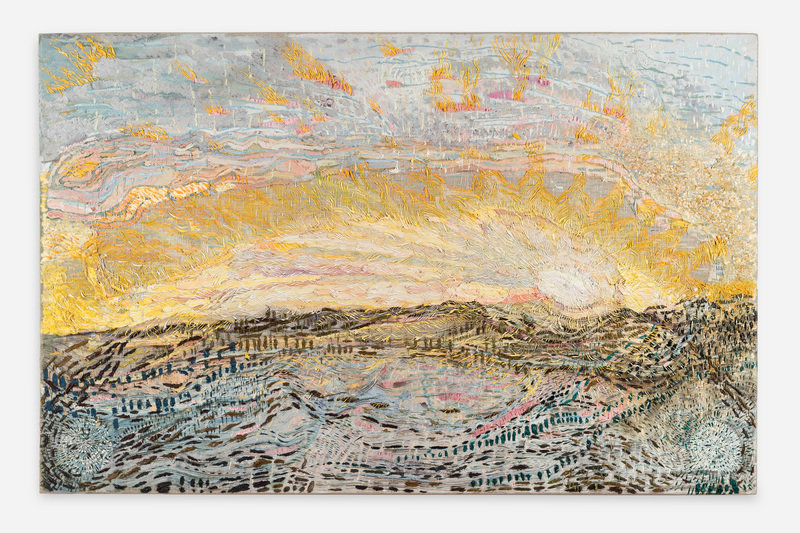
Eternal Flame, the largest painting included in the exhibition, updates the sublime tradition of the Hudson River School with Parker’s unique painterly technique and her strive in making energy both visible and tactile. Like much of her work, Eternal Flame begins with real experience—the sunrises and sunsets witnessed among the mountains seen from her home. The painting, inspired by Rainer Maria Rilke’s poem Go the Limits of Your Longing, suggests that the sublime is a mantra for living. An excerpt from the poem reads:
“Flare up like flame
and make big shadows I can move in.
Let everything happen to you: beauty and terror.
Just keep going. No feeling is final.”
While Parker’s work resonates with the deep histories of spirituality across various belief systems, her painting finds kinship among more recent artistic endeavors as well. Her animistic landscapes recall the watercolors of Charles Burchfield, who depicted trees, plants and houses as sentient entities buzzing with auratic energy. Another 20th century contextual touchstone are the palette-knife abstractions of Lee Mullican, who, like Parker, incorporated an almost bas-relief painting technique in the exploration of the mystical and transcendental.
Bethann Parker (b. 1984, lives and works in Saylorsburg, PA) received a Certificate and BFA from the Pennsylvania Academy of Fine Arts and a Certificate of Fine Art from the Barnes Foundation. Parker has had solo exhibitions at Gross McCleaf Gallery, Philadelphia, PA; Cabin Contemporary, Pottsville, PA; and the Pennsylvania Academy of Arts, Philadelphia, PA. Her work has been included in group exhibitions at Uffner & Liu, New York, NY; Fleisher/Ollman, Philadelphia, PA; Lehigh University Art Gallery, Bethlehem, PA; Ruffed Grouse Gallery, Narrowsburg, NY; Soft Machine Gallery, Allentown, PA; Art at King Oaks, Newtown, PA; Gross McCleaf Gallery, Philadelphia, PA; Anna Zorina Gallery, virtual exhibition; and the Barnes Foundation, Philadelphia, PA. Parker is in the Fellowship Collection of the Pennsylvania Academy of the Fine Arts. She has been the recipient of the Kittredge Fund, the Freeman's Exhibition Award, the Louis S. Fine Purchase Prize, and the Richard C. Von Hess Memorial Travel Scholarship.